rns.id – Web 3.0 Digital ID Overview
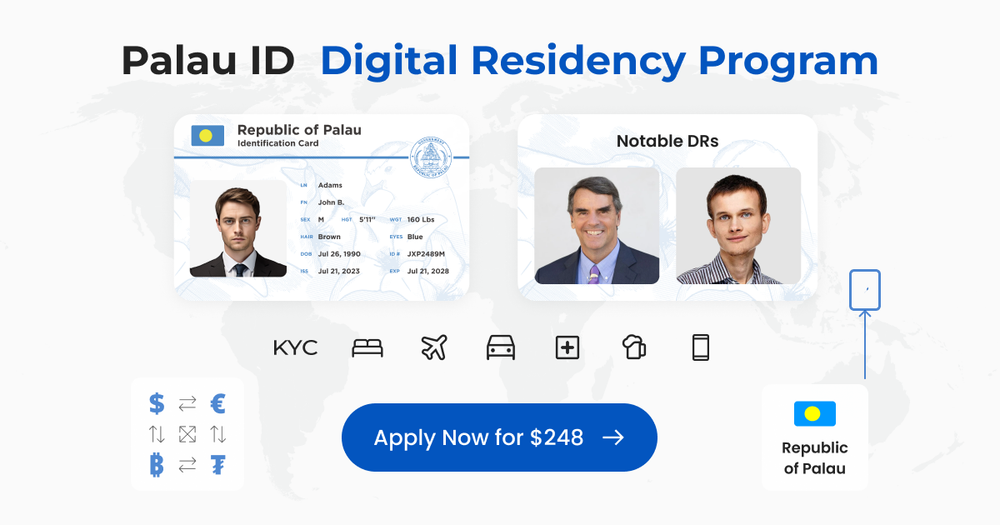
RNS (Root Name System) operates the world’s first digital Web3 identity platform that issues sovereignty‑backed IDs. It is the official technology provider for the Palau Digital Residency Program, delivering a universal, verifiable identity layer that works across blockchain ecosystems.
Key Features
- Sovereign‑backed digital IDs tied to nation‑state credentials.
- Decentralized name resolution using Web3 standards (ENS‑compatible naming).
- Verifiable credentials that can be signed and audited on‑chain.
- Integration APIs for wallet providers, dApps, and government services.
- Compatibility with NFTs and other digital assets for credential representation.
- Privacy‑first design with optional zero‑knowledge proofs.
Primary Use Cases
- Digital residency and citizenship: Provide immutable, portable identity for citizens of Palau and other adopting nations.
- Secure access to Web3 services: Users can log into dApps, marketplaces, and DeFi platforms using a single, verifiable ID.
- Credential issuance & verification: Governments or institutions can issue and verify diplomas, licenses, or travel permits on‑chain.
- Cross‑chain identity aggregation: Aggregate identity data across multiple blockchains without redundancy.
- Developer tooling: SDKs, APIs, and documentation enable easy integration of RNS IDs into existing Web3 stacks.
Target Audience
- Government & public sector teams building digital residency programs.
- Web3 developers seeking a standardized, sovereign identity layer.
- Crypto wallet providers wanting to integrate verifiable credentials.
- Enterprises looking to issue employee or customer IDs that are portable across blockchain ecosystems.
RNS positions itself as a foundational identity infrastructure for the next generation of decentralized applications and sovereign digital rights.